  |
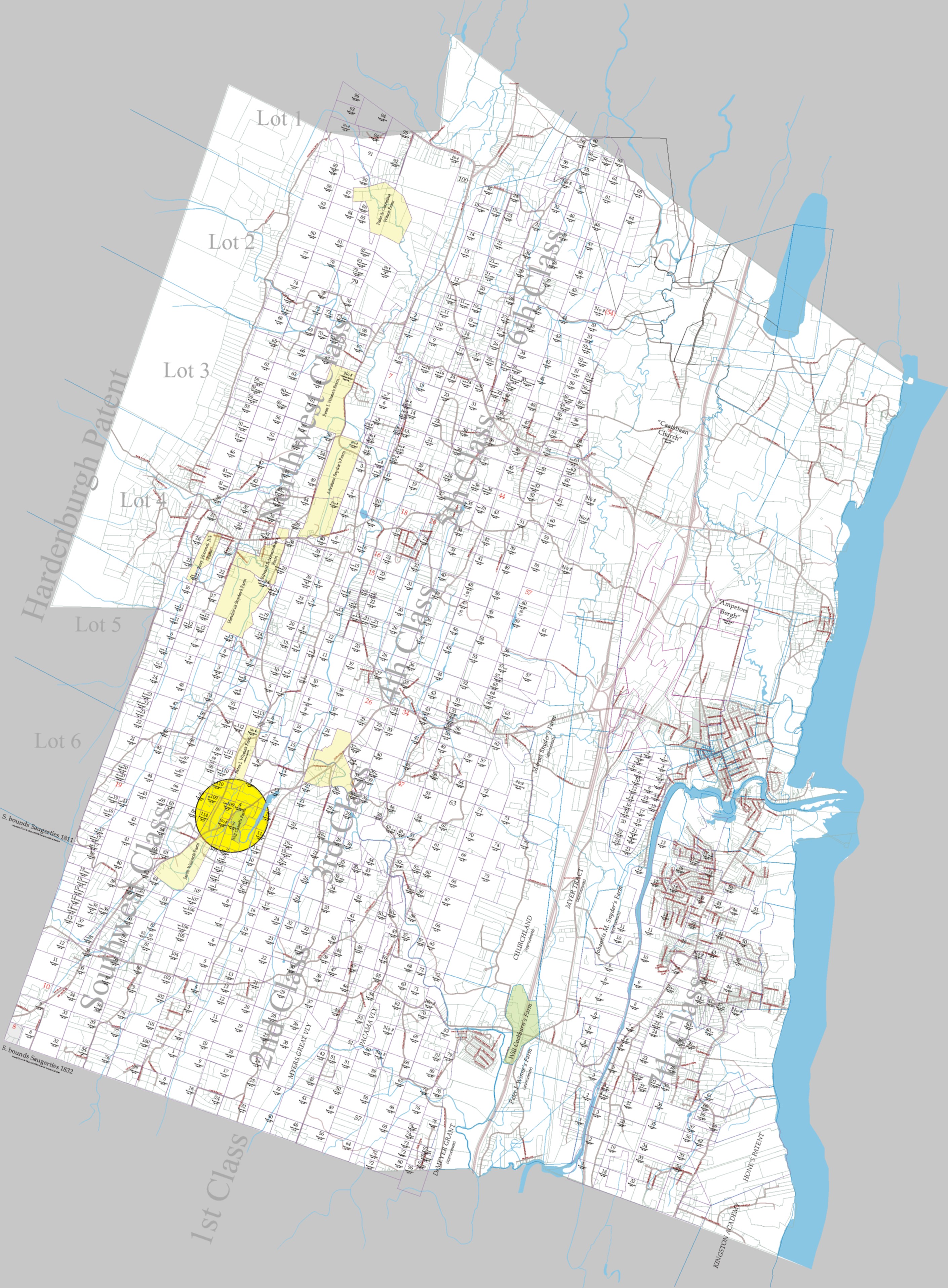
The Great Knot is a conduit to the imagination; an allusion to a premise as an art work. Imagine the Great Knot is a message. Imagine that it is actually the diviner of an ancient presence that merged with the elements two centuries ago.
The Great Knot is made of a quarry that has exposed a third of a billion years of geological time. The site of the Great Knot is but one of hundreds of points of enigmatic exposures where blocks and slabs were carved from the native bedrock. Imagine that the Great Knot identifies the essence of a mystical character these exposures have released that makes this a special environment.
This web site analyses this environment, and documents the superficial developments that created its man-made land forms as nature's form was molded to man's will.
It uses history to examine a mystical presence that was literally unearthed into an era of transcendental beliefs and still resonates in the individuality these beliefs embraced. It seeks out a context for this elusive presence ln the inspirational energy found in a century of records to show how this was responsible for a quality of change that fused imagination with inspiration as a sense of place here forever.
The Great Knot's site specific character and its context within the broader environment is one comprehensive art project. The Great Knot is presented as an allusion to the act of awareness of inspiration and the intent of the art on this web site is to highlight a unique quality of place by pointing out its presence in the many other locations of inspired activity through maps and narratives.
|
The Great Knot in its Environment |
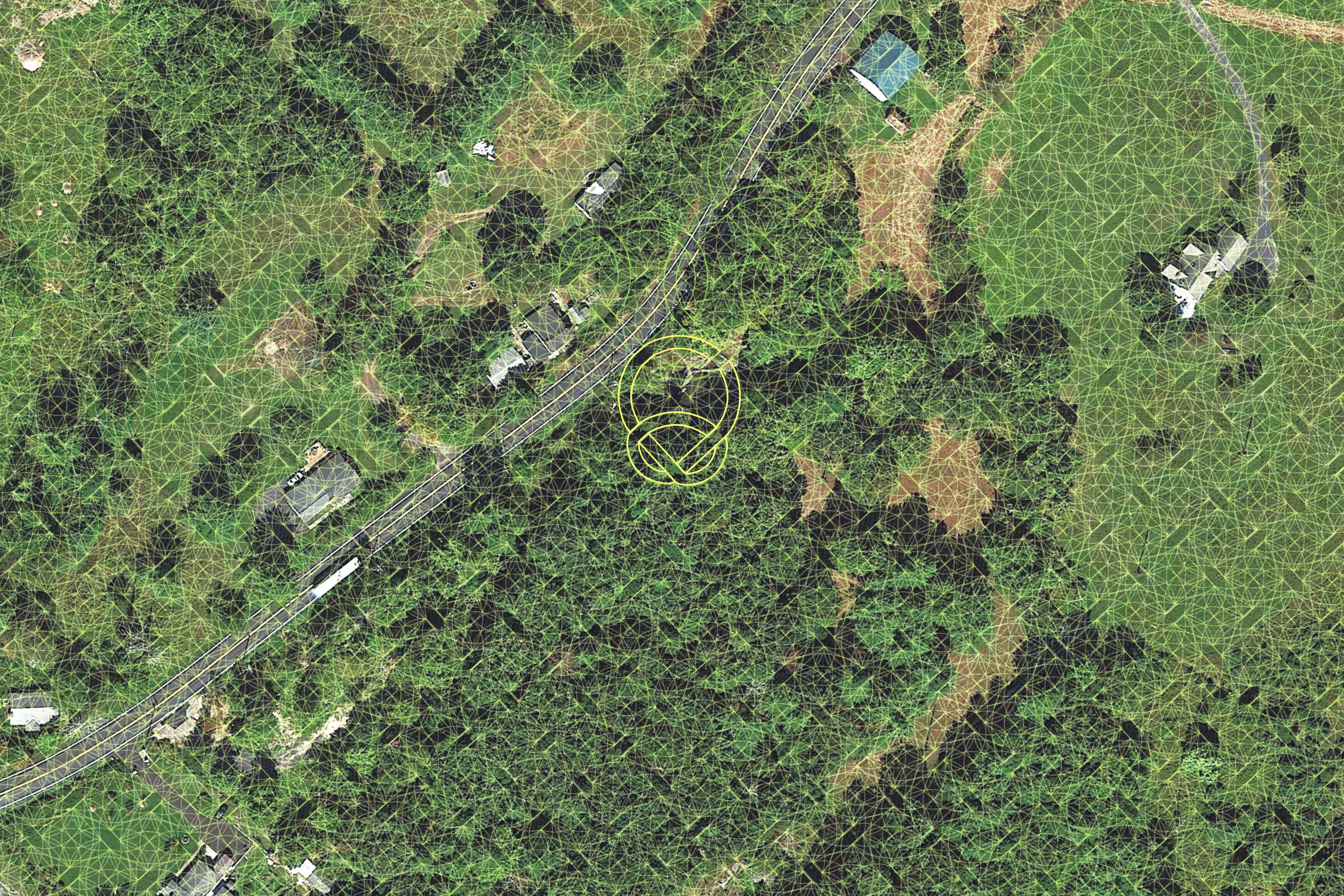 The Great Knot scaling its orientation to Earth, July 21, 2022 |
 The blue down the center of the map is the highest quality glacial-carved Devonian sandstone to be found. The earliest commercial quarries for sidewalks, steps, window lintels and sills, and carved architectural ornaments made of this bluestone were started here. The exposure of the bluestone found in this blue area is the bottom and most dense part of a deposit that continues under the Catskill mountains and doesn't surface again until it reaches Ohio. On this map the shading of the drawing to the right of the blue line is a common flaky shale and the deep shaded area along the left edge of the picture; the Catskill Escarpment; becomes an even less dence mud rock further up its heights. All the land of Saugerties between these two indescript formations is riddled with 19th century bluestone quarry pits and rubble piles. Opus 40 occupies one of these quarries and is made from the fragments of waste stone left when the slabs were taken from the earth and shaped into the products that drove the country economy of Saugerties for nearly a century. Below the PDF is a composition that covers the history of bluestone from its birth nearly 400,000,000 years ago to its present prominance as the material of Opus 40. This page has been created to describe the quarry aspect of my Great Knot site-specific sculpture. It deals with the material used to build it and the reason that material is available. There are many other aspects to this environment and each one will be covered in a page like this. A deeper awareness of the material and the intangible environment is the purpose of creating a site-specific work. The sculpture is as much about all the aspects of nature and humanity in this environment as it is about the way the art appears. The Life of Bluestone
|
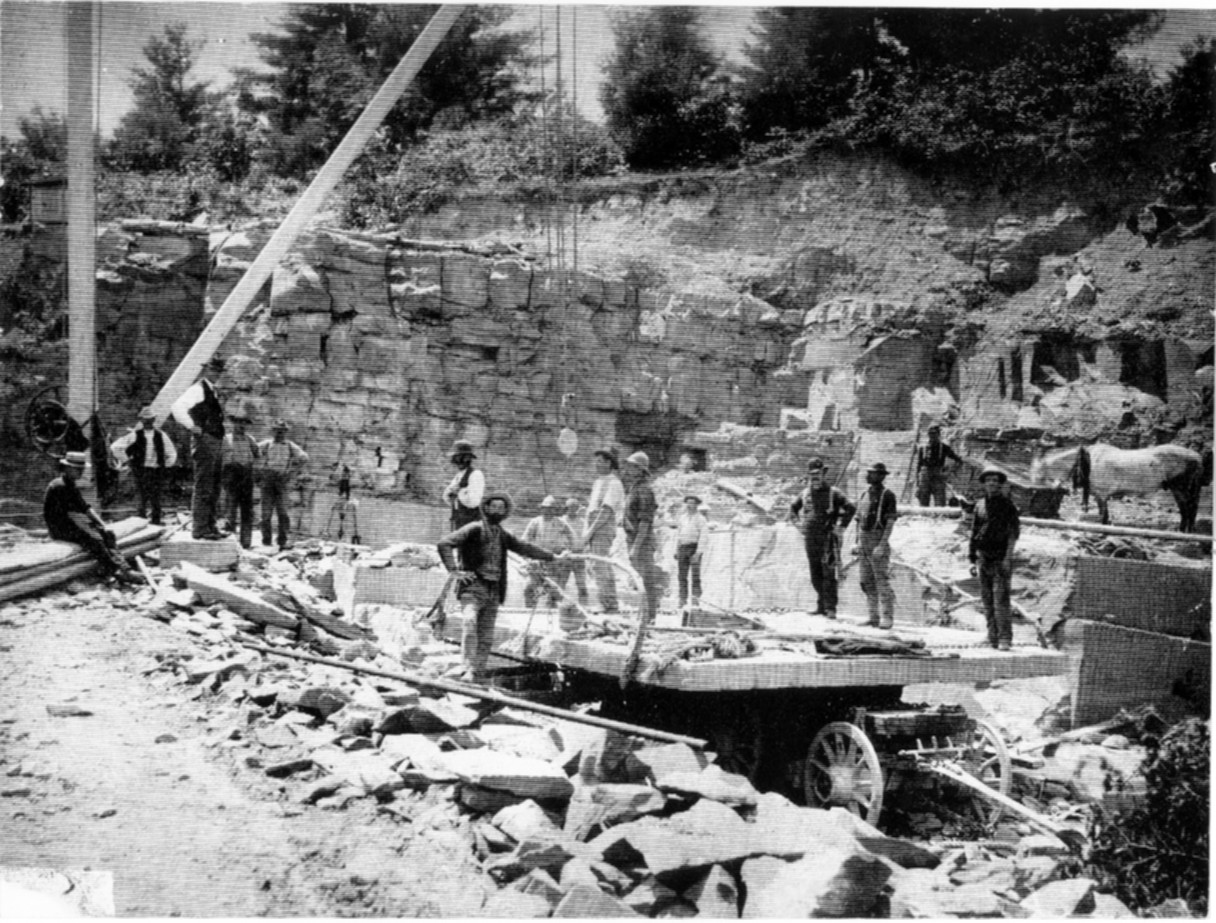 Quarrying has left different landmarks. Bluestone became a commodity and over a span of a hundred years thousands of miles of sidewalks in nearly every large city in the Americas came from quarrying nearly every exposure of a bluestone ledge that could be found along the eastern escarpment of the Catskill Mountains.
 Opus 40, the environmental sculpture of Harvey Fite, is an innovative use of this quarrying heritage for creating a significant work of art. It transforms the site of an abandoned quarry into a new identity as part of the landscape.
 Opus 40's structure is influenced by Harvey Fite's travels in South America and his work with the monumental ruins at Copan. His craft applies the age-old architectural methods of building with the stone.
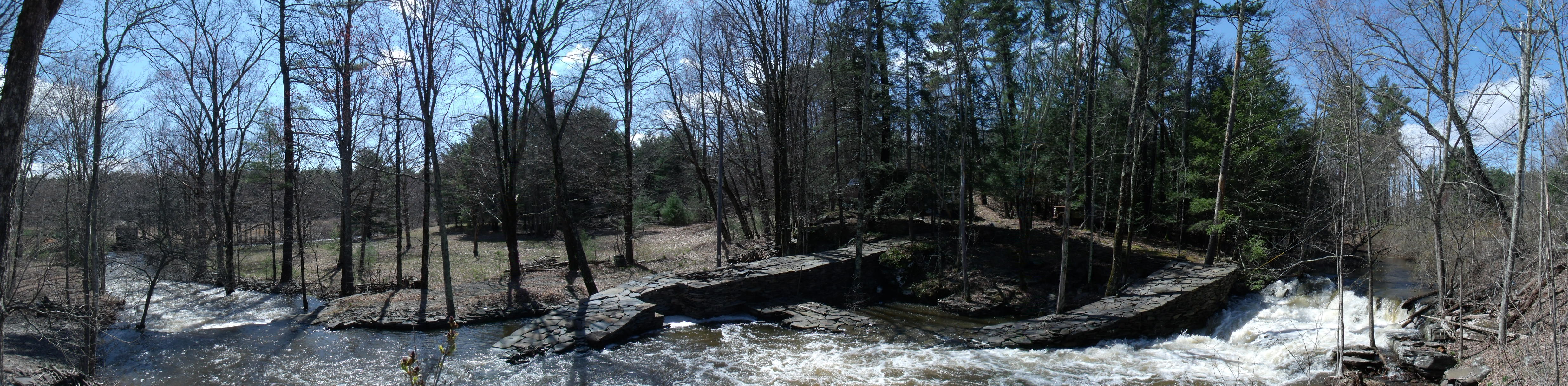 The Great Knot, April 27, 2011 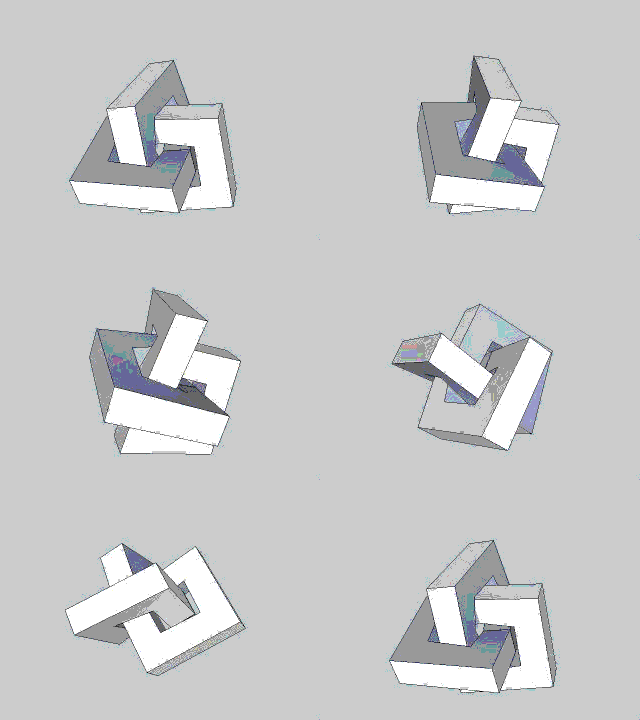 Michael Sullivan Smith, 2015 Click on animation to open parent web site greatknot.com in new browser window |