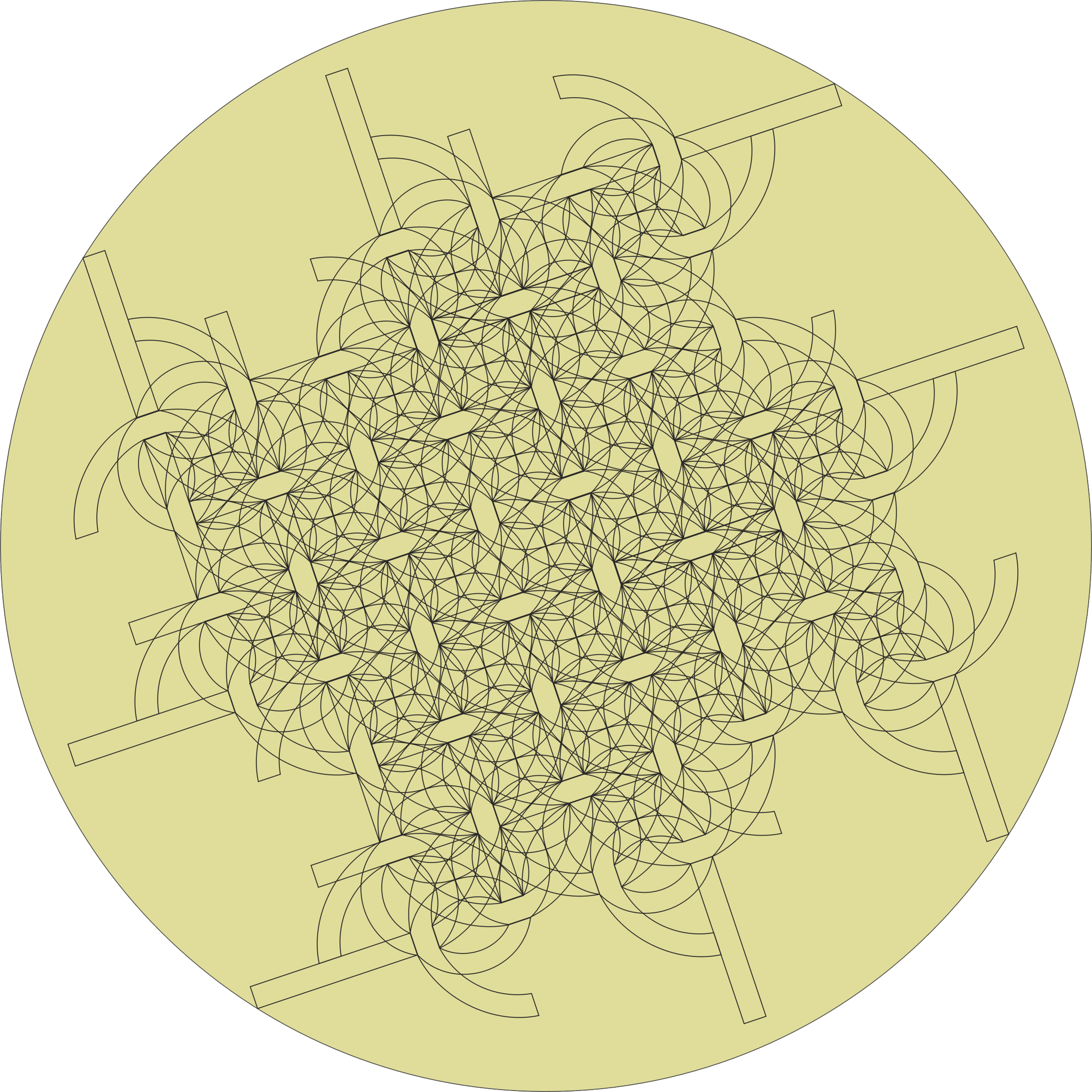
Grid Build Geometry, Flash vectors in gif animations, 2002 provenance
The circuit grid for building knots was developed in 1967 as a motif to show awareness of electronic circuitry in the era of Systemic Painting. It was used in performance art for readings (alpha-bet, 1967 at St. Marks Church) and live installations (Members Show, MUSEUM, 1968).
Outreach to the Experiments in Art and Technology (EAT) program enabled the first sequential knots in a conceptual art phase and a show of works with a circuit theme. (Marist Show, 1972 - images to right).
Pure digital art replaced the physical with the first personal computers and AutoCad. By 1982 there were no further public showings. After this the concept became represented as a pure state of intellectual property.
First Gallery Show, Marist College, 1972
Venus Rising, 1971
Celtic Circle, 1971
Yellow Plexi, 1971
Monoprint Glass, 1967-1971
systemic art
is about infrastructure. It's like a transportation system. It needs proven vehicles and routes.
The infrastructure for making knots is the circuit grid. The drafting of it is in the animation at the top of this page.
the Infra, 2005
A slice of this geometry is made into the tile-form of the "Infra" module, and this is what is used as selected shapes that fit like puzzle pieces into the grid pattern needs more area to expand. The background of this page is a continuous repetition of a single Intra vector file.
The number of these shape elements it takes to create a knot, and the number of Infra modules they require, is at the core of the system's protocols.
Protocols control the behaviors of three distinct processes that make the art functional. One governs the structure and use of the circuit grid. Another defines the properties of knots. A third sets the sequence and order of the formal and place-based identities of knots for entering them in a registry system.
In the grid protocol nine shapes and their placements in the geometry of a grid gives cryptoknots a recognizable appearance. This protocol governs the proportions of the geometry and the methods of generating the grid, and it also governs the procedures for its distribution and application that makes the art universally understandable.
The protocol for knot properties is covered in the next frame. It applies an analysis of a genesis sequence of over a hundred knots to set parameters for sequential evolution of single and combination knots as a system that endlessly generates cryptoknots. It sets parameters that universalize a creativity base to replace mining in Bitcoin, and ICOs in cryptocurrency generation with a more understandable, less machine-centric transaction verification process.
The distributed base protocol covered in frame four applies builds to a registry that's from the block chain protocol, only it uses the sequence of knots for that's hash matching function. The registry gives cryptoknots the characteristics that fit a cryptocurrency space, emulating the distributed ledger of block chain in a multi-reference graphic directory to also apply the concept to fungible investments.
There are characteristics of individual knots that make them visually identifiable but for keeping a digital registry the infrastructure used for the knot provides a system that can be a finder for the most complex of them.
A systemic art's infrastructure is akin to the medium of the tactile and sensual arts: the stone of sculpture or liquid color of painting. In this systemic art the knot grid is a creation filling the purpose of a blank canvas.
The process of making knots uses the grid as a guide. It directs the placement of the very small number of shapes used in representing knots. These shapes have been expressing this form since the dawn of art and their application is innate.
The direction each shape represents, and their meeting where a crossing is symbolized, is logically represented in the grid. The grid expedites the recognition of the pattern of a completed knot.
A knot is recognized by the number of crossings it has contained in the least amount of space. The circuit grid is structured to formalize this recognition process and give it a human scale.
Since there is no end to the number of knots that can be formed, the function of making them falls to making the circuit grid a system useful for autonomous participation across a broad range of human capabilities. This starts by giving the circuit grid and a blockchain of every knot in the control sequence freely out; available across the Internet.
The practical structuring of the circuit grid from Infra elements implies controls, scalability, and a surrogate numbering scheme. This last aspect is what makes the forming of knots by autonomous creators under processes and protocols established for cryptocurrency. It is why this concept finds so many benefits in Blockchain technology.
The real building of knots
the Infra, 2005
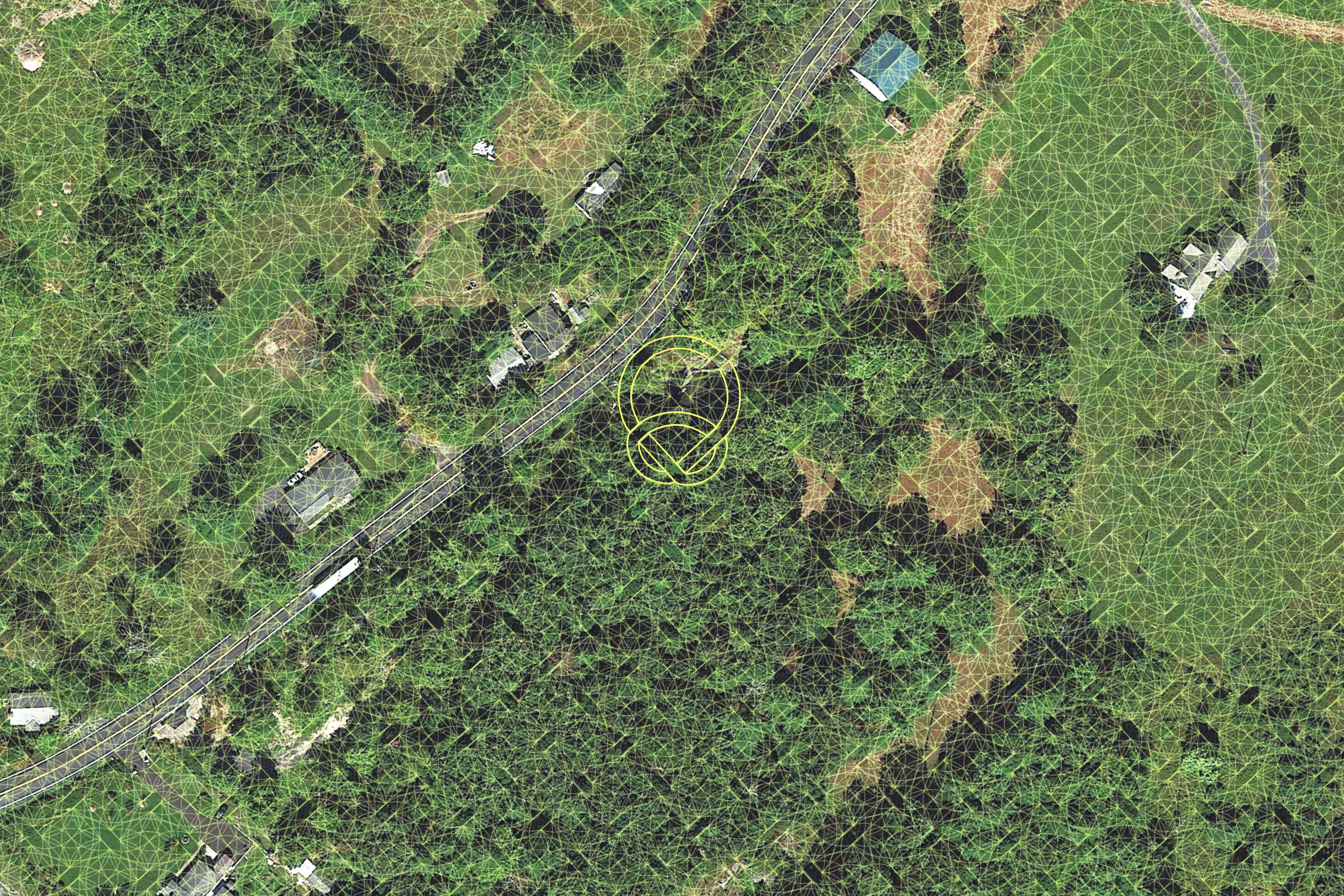
is strategically related to the SITE ASPECT link pointed to at the top of the left collumn. In it the Land Art sculpture of the Great Knot applies three of the nine to its design to have a 3-crossing knot to give a scale and orientation to the grid. The Great Knot also makes these nine into over 120 instances by giving them discriptors based on compass directions. The way these are built of coordinates defines how knots are then framed by metadata as shown below.
As a toolkit this formalizes the process that's applied to building structures based on the circuit grid as it is available in the material presented here. The properties of knots and protocols for the practice of the art are in the pages of this website.
The grid is given a scale and orientation by the shapes in it applied to the physical composition of The Great Knot land art sculpture. As Land Art its shapes are formed as coordinates on a virtual globe instead of vector points. These shapes then conform to a descriptive form based on their course of travel relative to the compass, making this graphic-to-natural language tool what standardizes the metadata for everything that this Conceptual Art records.
A distributed Internet Community
The plans for this art are far beyond the capabilities of its planner. The entire art revolves around the continuous creation of knots.
Since this art had its origins, open source materials and distributed design, proofing, and even decision on the next additions to the sequence have presented a way this can actually be done. The Internet is the foundation of the infrastructure that can make that happen and that is what's messaged as the function of this website.
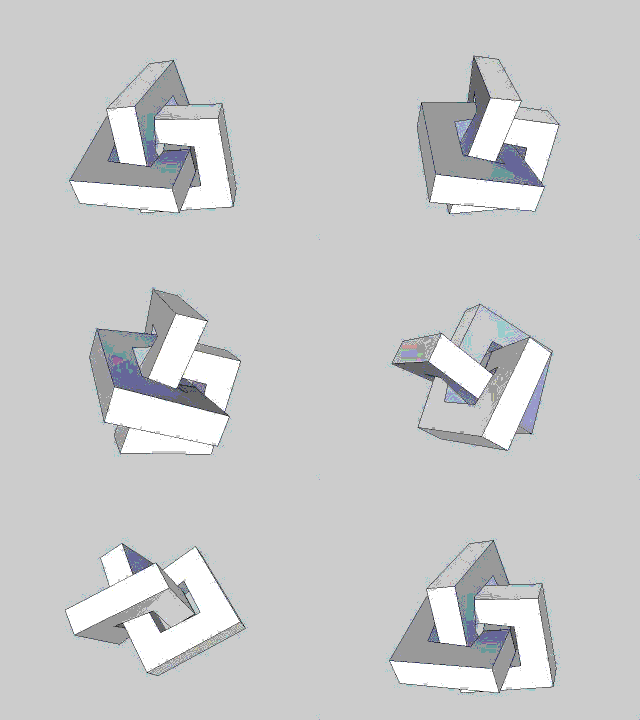
Derivative of derivative ball chain object, 2011
Conceptual Art in the Intellectual Property Arena
The systemic infrastructure developed for knot creation is a prime example of an art work. It is a single purpose process-based form for expressing the conceptual state of something new. Anything made from a schema identified with it is a derivative of its intellectual property origins.
As intellectual property the circuit grid is both the potential and the plan for potential of the knot. Even a composition implied in a derivative of an object formed from it is claimed by its methodology, because it is purposely created to eternally represent a continuous, autonomous generation process.
Regardless of the process used to create a knot, a knot grid is always necessary. The emblematic pattern shown in the circle at the top of this page is the Greater Gordian Gridlock. Its intricate geometric arrangement of curves and crosses is structured to build the knot grid in a vector graphic program through measured interlocking iterations. This is the basic cryptography for building knot cyphers through AI, but it is still the application of the concept basic to the intellectual property of the systemic art.
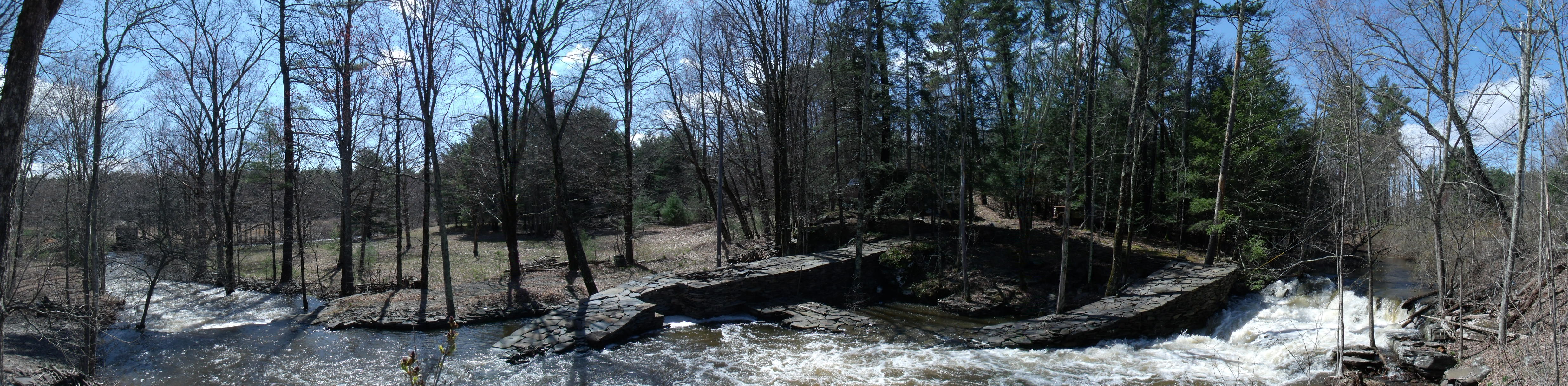
The Great Knot, April 27, 2011 Michael Sullivan Smith, 2015 Click on animation to open parent web site
greatknot.com in new browser window